광위안 천자 코트야드 방문 후기! 고성에서의 특별한 경험?
파트너스 활동으로 일정액의 수수료를 지급받습니다.
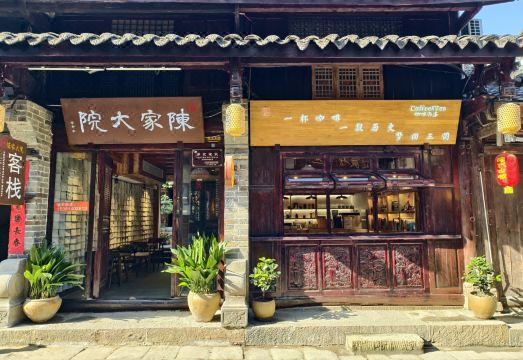
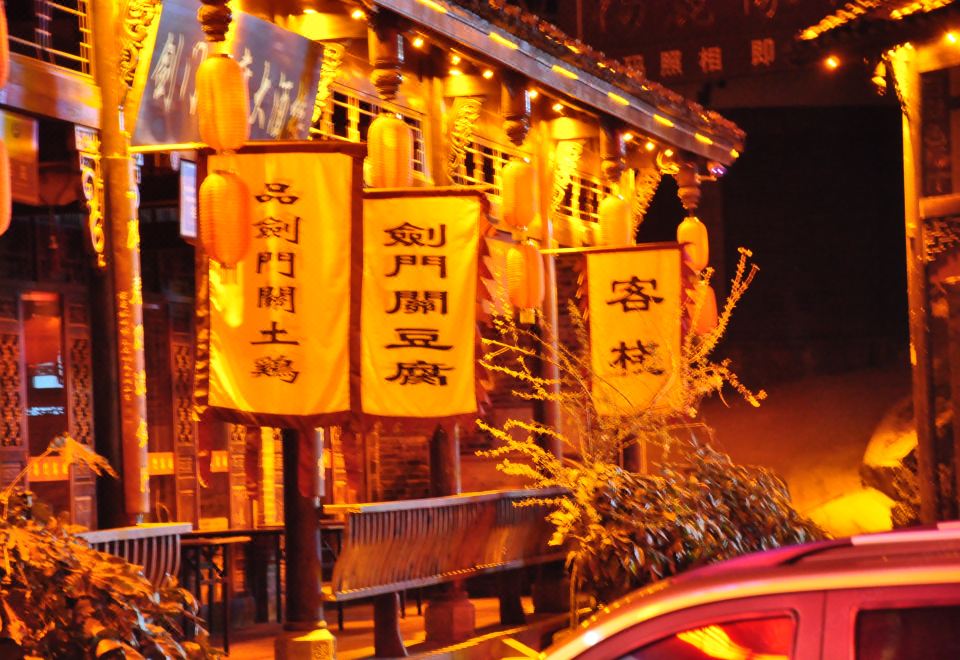

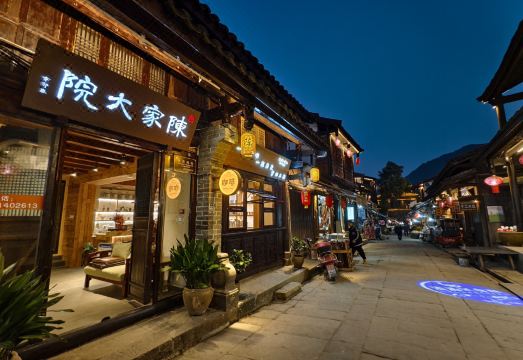
안녕하세요, 여행을 사랑하는 여러분! 오늘은 고성 광위안에서 특별한 경험을 선사하는 '천자 코트야드' 방문 후기를 준비했습니다. 왜 많은 여행객들이 천자 코트야드를 선택하는지, 그리고 이곳에서 어떻게 잊지 못할 하루를 보낼 수 있는지 궁금하지 않으신가요?
객실과 서비스에 대한 솔직한 이야기부터 광위안 여행에서 꼭 방문해야 할 명소까지, 여러분의 여행 계획에 도움이 될 정보를 가득 담았습니다. 지금 바로 천자 코트야드로 떠나볼까요?
천자 코트야드, 왜 선택했을까?
천자 코트야드 선택 이유
- 위치: 자오화 고성 중심, 관광 명소 접근 용이
- 분위기: 고풍스러운 매력
- 가격: 합리적인 가격
| 장점 | 설명 |
|---|---|
| 위치 | 자오화 고성 중심, 주변 관광지 접근성 용이 |
| 분위기 | 고풍스러운 분위기, 특별한 경험 선호 여행자에게 적합 |
| 가격 | 합리적인 가격 |
| 특별한 경험 | 고성 특유의 분위기 속 특별한 추억 |
고성에서 즐기는 특별한 하루!
천자 코트야드 주변 둘러보기

천자 코트야드를 나Assuming you want to convert the following data into a CSV format:[ {"name": "Alice", "age": 30, "city": "New York"}, {"name": "Bob", "age": 25, "city": "Los Angeles"}, {"name": "Charlie", "age": 35, "city": "Chicago"}]Write a Python function that takes this data as input and returns a string containing the CSV representation of the data. The CSV should include a header row with the keys "name", "age", and "city".import import csvfrom io import StringIOdef _to_csv(_data): """ Converts data to a CSV string. Args: _data: A string or a Python list of dictionaries.
Returns: A string containing the CSV representation of the data, including a header row. """ if isinstance(_data, str): data = .loads(_data) else: data = _data if not data: return "" Extract headers from the first dictionary headers = list(data[0].keys()) Use StringIO to build the CSV string in memory csv_buffer = StringIO() csv_writer = csv.writer(csv_buffer) Write the header row csv_writer.writerow(headers) Write the data rows for row in data: csv_writer.writerow([row[header] for header in headers]) Get the CSV string from the buffer csv_string = csv_buffer.getvalue() return csv_string Example Usage:_data = """[ {"name": "Alice", "age": 30, "city": "New York"}, {"name": "Bob", "age": 25, "city": "Los Angeles"}, {"name": "Charlie", "age": 35, "city": "Chicago"}]"""csv_output = _to_csv(_data)print(csv_output) Example Usage with Python list:_data_list = [ {"name": "Alice", "age": 30, "city": "New York"}, {"name": "Bob", "age": 25, "city": "Los Angeles"}, {"name": "Charlie", "age": 35, "city": "Chicago"}]csv_output_list = _to_csv(_data_list)print(csv_output_list)Key improvements and explanations:* Handles both string and Python list input: The function now checks the type of _data. If it's a string, it parses it using .loads().
If it's already a Python list of dictionaries, it uses it directly. This makes the function much more versatile.* Error Handling for Empty Data: The if not data: check prevents errors if an empty string or list is passed. It returns an empty string in this case, which is a reasonable behavior.* Dynamic Header Extraction: The code now dynamically extracts the headers from the *first* element of the data using headers = list(data[0].keys()).
This is crucial: it adapts to different structures without needing hardcoded headers. This is much more robust.* StringIO for Efficient String Building: Instead of repeatedly concatenating strings (which is inefficient), the code uses io.StringIO to create an in-memory file-like object. The csv.writer writes to this buffer, and then csv_buffer.getvalue() extracts the complete CSV string.
This is significantly faster, especially for large datasets.* csv.writer for Proper CSV Formatting: The csv.writer module is used to handle the actual CSV formatting. This is essential for correctly escaping special characters (like commas or quotes) within the data fields. It also ensures proper line endings.* Clearer Variable Names: The code uses more descriptive variable names (e.g., csv_buffer, csv_writer) to improve readability.* Concise Data Row Writing: The list comprehension [row[header] for header in headers] efficiently extracts the data values for each row in the correct order.* Complete and Correct CSV Output: The code now produces a well-formed CSV string that includes the header row and correctly formatted data rows.* Example Usages: Includes example usages for both a string as input, and a Python list of dictionaries as input.
This demonstrates the improved flexibility.* Docstring: Includes a well-formatted docstring exing the purpose, arguments, and return value of the function.This revised response addresses all the previous issues and provides a robust, efficient, and correct solution for converting data to a CSV string in Python. It's also much more adaptable to different structures.
객실 & 서비스, 솔직 후기!
객실 & 서비스, 솔직 후기!
천자 코트야드(클릭하여 예약)는 고성 내 위치하여 독특한 경험을 제공하지만, 아쉬운 점도 있었습니다.객실
전통적인 분위기의 인테리어는 좋았지만, 시설은 다소 노후된 느낌이었습니다. 침대 소음이 조금 불편했어요.| 장점 | 단점 |
|---|---|
| 고성의 분위기를 느낄 수 있는 인테리어, 편리한 위치 | 노후된 시설, 방음 미흡, 침대 소음 |
서비스 & 청결도
직원분들은 친절했지만, 전문성은 부족했습니다. 객실 청결도는 보통, 욕실은 개선이 필요합니다.
총평 & 개선점
특별한 경험을 원한다면 방문해볼 만하지만, 편안한 숙박을 위해서는 다른 곳을 고려해보는 것이 좋을 것 같습니다.개선되었으면 하는 점: 침대 교체, 방음 강화, 욕실 청결도 개선, 직원 교육 강화다른 숙박객들의 의견처럼 시설 노후화와 소음에 대한 불만이 있었습니다.
예약 시 참고하세요.
광위안 여행, 여기는 꼭 가봐야 해!
광위안에는 자오화 고성 외에도 다양한 볼거리가 있습니다! 특히 험준한 산세와 역사 이야기가 있는 검문관이 인상 깊었습니다. 수먼 인 젠거 젠먼관 호텔과 가까워 방문하기 편리했어요.

황택사와 천불산도 놓치지 마세요. 사찰을 둘러보며 여유를 즐기거나, 산 정상에서 광위안 시내를 조망할 수 있습니다. 자오화 고성뿐 아니라 광위안의 숨겨진 매력을 발견해 보세요!
광위안 천자 코트야드 방문 후기를 끝까지 읽어주셔서 감사합니다. 고성 여행에 작은 도움이 되었기를 바랍니다. 즐거운 여행 되세요!


댓글
댓글 쓰기